How much moss do you need?
Coverage math for table runners, centerpieces, and moss walls, with worked examples.
4 min read · Easy
What you'll need
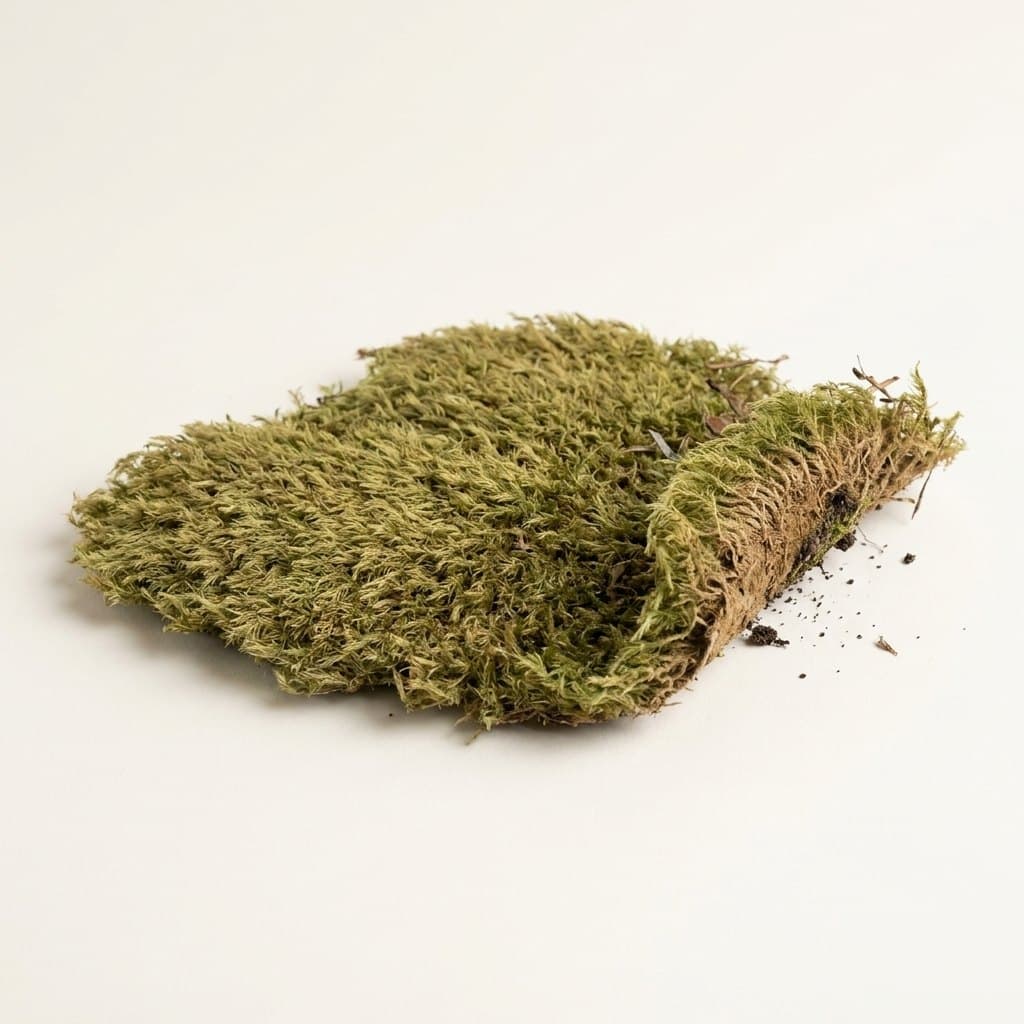
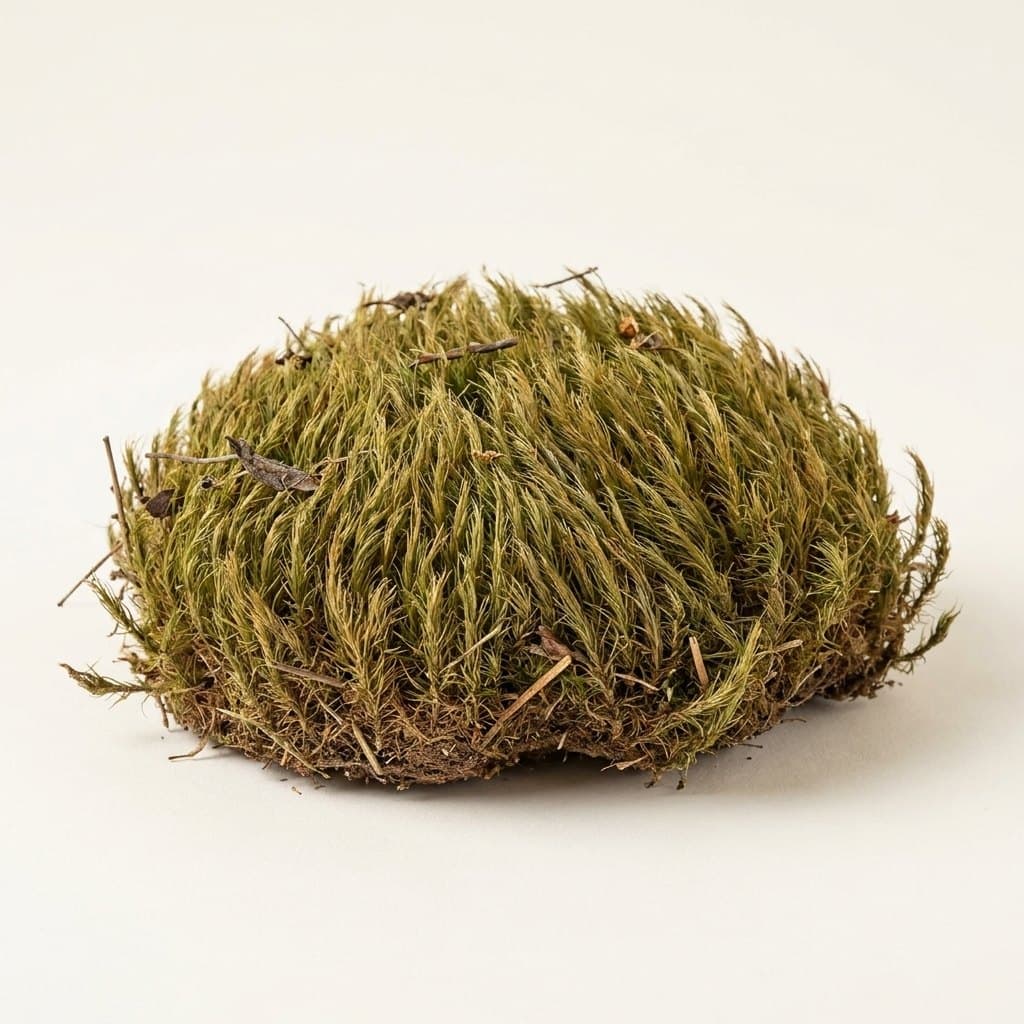
1. Measure the area in square feet
- Rectangles such as table runners and walls: multiply the length by the width. Measure in feet, or divide inches by 12 first. A 12 ft runner that's 14 in. wide covers 12 × 14 ÷ 12 = 14 sq ft.
- Circles such as centerpieces and pot tops: multiply 3.14 by half the diameter, squared. In inches, divide the result by 144 to get square feet. A 12 in. centerpiece is about 0.8 sq ft.
2. Add 15% for trimming
Moss tears unevenly, and you'll overlap the edges so no base shows through. Multiply your area by 1.15. The 14 sq ft runner becomes about 16.1 sq ft. If you're covering a curved form, such as a wreath or a ball, allow 20-25% instead.
3. Divide by the coverage on the box
Every label lists what one box covers:
- Dried sheet moss: about 18 sq ft per 1.5 cu ft box
- Preserved sheet moss: about 11 sq ft per 5 lb box
- Dried mood moss: about 15 sq ft per 1.5 cu ft box
- Preserved mood moss: about 10 sq ft per 5 lb box
Always round up to a whole box.
Worked examples
- One 12 ft × 14 in. table runner: 16.1 sq ft with trimming, so 1 box of dried sheet moss.
- Ten 12 in. round centerpieces: about 7.9 sq ft, or 9 sq ft with trimming, so 1 box of dried sheet moss.
- A 4 × 6 ft moss wall: 24 sq ft, or 27.6 sq ft with trimming, so 3 boxes of preserved sheet moss.
What about Spanish moss?
We don't publish a coverage figure for Spanish moss yet. It's sold by weight, and how far it goes depends on how loosely you drape it. We'll add real numbers after we measure a shipment.
The coverage calculator does this math for you.